
When to Start Sleep Training – Signs Your Baby Is Ready and What to Know?
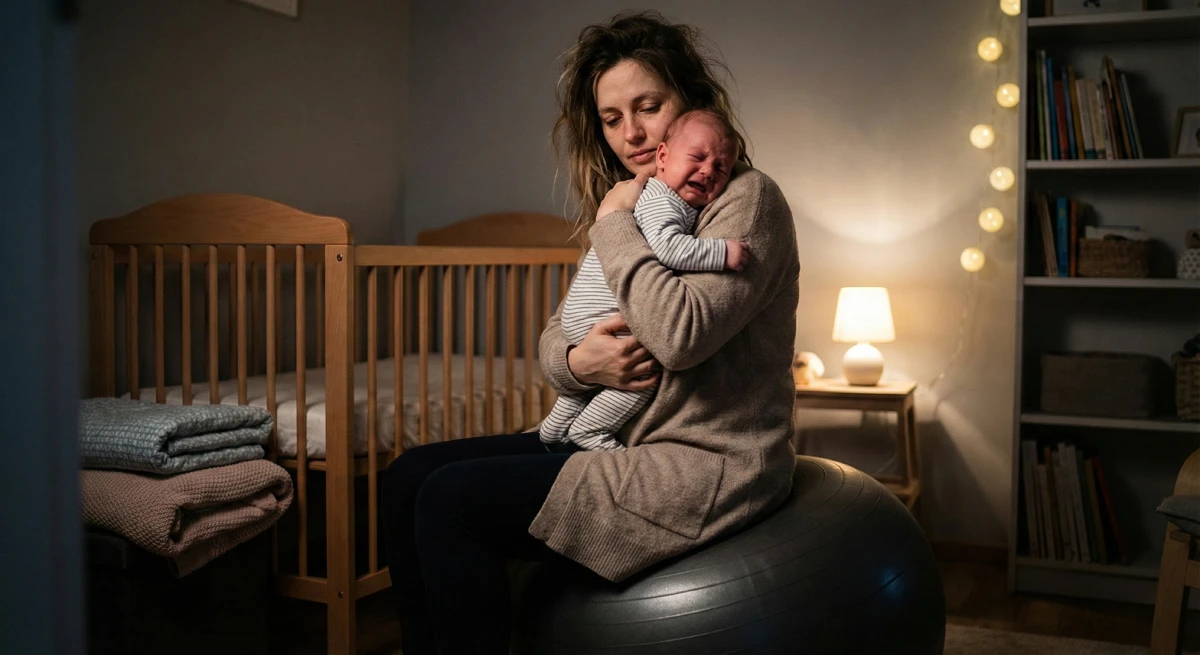
If you’re a sleep-deprived parent wondering, “When can I start sleep training?”, you’re not alone. Choosing the right time to teach your baby to sleep independently is a common concern for new parents. Start too early, and your little one may not be developmentally ready; wait too long, and challenging sleep habits might become more ingrained.
Every family has different needs and values, and sleep training isn’t a one-size-fits-all solution. For many families, however, it offers a structured way to help their baby learn a skill – falling asleep independently – that can lead to better sleep for both baby and parents. Always check with your pediatrician if you’re unsure about whether your child is ready for this step.
In this post, we’ll explore why timing matters, the best age to begin (many experts point to a “just right” window around 4 to 7 months), how to recognize the signs your baby is ready, and tips to ensure a smooth start when you and your baby are prepared.
Why Timing Matters for Sleep Training
Establishing healthy sleep habits at the right developmental stage can make sleep training smoother for both baby and parents. Timing truly matters because a baby’s developmental stage affects how successful and stressful sleep training will be. Newborns, for example, are not ready for formal sleep training – they have very short sleep cycles, need frequent night feedings, and haven’t learned to self-soothe yet. Attempting strict sleep training too early would be frustrating for everyone. On the other hand, waiting too long can make the process harder. As babies get older, they form stronger sleep associations (like needing to be rocked or nursed to sleep). Habits that have been reinforced for 8, 10, or 12+ months can be tougher to change. In fact, pediatric sleep experts note that any changes to a baby’s routine are easiest before about 4 months of age; after that, a child’s growing brain makes associations more persistent, so breaking old sleep habits may be harder the longer you wait.
What does this mean for you? Essentially, there’s a sweet spot for many families. Hitting that middle ground – when your baby is developed enough to learn self-soothing, but still young enough to adapt quickly – can make sleep training faster and gentler. Most pediatricians and sleep experts find that middle ground to be around 4 to 6 months old as a starting point, though every baby is different. In the next sections, we’ll break down why 4 months is often cited as the earliest age to consider sleep training, why many parents aim for the 5 to 7 month range, and what to do if your baby is older.
Earliest Recommended Age – 4 Months
Nearly all experts agree that you should hold off on formal sleep training until at least around 4 months of age (about 14 to 16 weeks old). By this age, several important changes make a baby more capable of learning to sleep longer stretches:
- More developed circadian rhythm: Around 3 to 4 months, babies start producing their own melatonin and have a more organized day-night sleep cycle. In other words, they’re beginning to tell night from day and can consolidate sleep better than a newborn can.
- Ability to self-soothe a bit: At 4 months, many babies can bring their hands to their mouth or find their fingers to suck. This is a gentle self-soothing skill that is a good sign they can start learning to fall asleep without as much external help. Babies are typically old enough to learn to self-soothe by ~4 months.
- Sufficient milk intake during the day: By 4+ months (and roughly ~14+ pounds in weight), babies are often capable of going longer stretches at night without feeding. Always check with your pediatrician, but if your baby is growing well, they may no longer need to eat every 2-3 hours at night. This makes longer sleep possible. (Note: Some 4-5 month olds might still need one feeding in the night, and that’s okay – you can still “sleep train” by teaching them to fall asleep independently at bedtime and after that feeding.)
- More regular sleep-wake patterns: By this age, your baby likely isn’t as unpredictably sleepy as a newborn. You might notice they naturally follow a bit of a schedule (for example, a morning nap, midday nap, etc.). This regularity helps in establishing a consistent bedtime routine and training plan.
Importantly, 4 months is a general guideline, not a hard rule. Some infants might not be ready until 5 or 6 months, and a few very easygoing babies might manage gentle sleep learning a couple of weeks earlier. But as a rule of thumb, do not attempt strict sleep training with a newborn. Newborns (0 to 3 months) need round-the-clock feedings and lots of parental soothing; expecting them to self-settle for long periods isn’t appropriate. By waiting until about four months old, you’re giving your baby time to reach a developmental stage where they can handle learning this new skill.
The “Sweet Spot” – 5 to 7 Months Old
While 4 months is the earliest many experts green-light when to start sleep training, the period around 5 to 7 months old is often considered the ideal “sweet spot.” Here’s why: By 5 or 6 months, most babies are physically capable of sleeping longer stretches at night (often 6-8+ hours if well-fed during the day) and may no longer need any night feeds at all. They’ve also had a couple of months to practice self-soothing behaviors and settle into a more predictable sleep routine. Yet at the same time, they’re still young enough that habits like being rocked to sleep aren’t too deeply ingrained. And importantly, they haven’t hit the peak of separation anxiety yet, which often kicks in around 8 months.
Separation anxiety – the phase when babies become acutely aware (and upset) if mom or dad isn’t near – typically begins around 8 months and peaks between 10 to 18 months. Sleep training after this developmental leap can be more challenging because an older baby might get more distressed when left alone and call out longer for you. By starting in the 5 to 7 month window, you’re working with a baby who is mature enough to learn new sleep skills, but not yet experiencing that intense surge of anxiety about being apart. Many parents find that sleep training goes more smoothly in this period as a result.
Another interesting point: real-world data suggests that around 4 to 6 months postpartum is when many families start focusing on sleep. (Google Trends even shows searches for “sleep training” tend to spike about 4 to 5 months after baby’s birth, hinting that countless bleary-eyed parents hit that wall and decide it’s time to make a change!). Of course, every baby and family situation is unique – some babies continue to do fine without formal sleep training at this age, and that’s okay too. But if you’re struggling with frequent night wakings or exhausting sleep routines by the 5th or 6th month, know that you’re in a prime window to gently nudge your baby toward better sleep habits.
(Side note: Some pediatricians recommend waiting until closer to 6 months for certain methods of sleep training, especially methods involving longer periods of crying. This is partly because by 6 months, a baby’s circadian rhythm is fully matured for overnight sleep, and parents might feel more comfortable that their infant is truly ready. In practice, many families successfully sleep train at 4 to 5 months with milder approaches, but if you’re nervous, waiting until 6 months is also a reasonable choice.)
Starting Later – 8+ Months and Toddlers
What if your baby is already 8 months, 10 months, or even well over a year old? Is it too late to sleep train? Absolutely not – you can sleep train older infants and even toddlers. It’s never “too late” to teach better sleep habits. However, sleep training an older baby (or toddler) can be a bit more challenging than sleep training an infant in that 5 to 7 month sweet spot. Here are a few things to keep in mind for the 8+ months crowd:
- Stronger habits and more resistance: By this age, your baby has spent many months getting used to their sleep routine – even if it’s a routine of waking up frequently or needing lots of help to fall asleep. Changing those established habits might take a bit longer. Older babies also have more stamina to protest; they may stand up in the crib, cry louder or longer, and be generally more persistent in calling for you. Gentle no-cry methods can be harder to implement with a mobile older baby (who can sit or stand up in the crib), and quicker methods may involve more intense short-term crying. In short, be prepared for possibly a few more nights of protest compared to a younger infant – but know that with consistency, they will learn.
- Separation anxiety and awareness: Around 8 to 10 months, many babies become extra clingy at bedtime due to separation anxiety. An older baby is very aware that you’re somewhere else when you leave the room, and they don’t like it. This doesn’t mean you can’t sleep train, but you might opt for a more gradual approach (for example, sitting in a chair by the crib initially, or doing frequent check-ins) to reassure your baby.
- Consistency is still key: Older babies and toddlers are clever – if one night you respond to protests and rock them to sleep, but the next night you try to let them self-soothe, they’ll only get more confused and determined to test limits. It might be tough, but picking a plan and sticking with it is crucial, especially with a willful one-year-old. The good news is that even entrenched habits can be changed. Families successfully sleep-train at 9 months, 18 months, and even 2 years old – it often just takes a bit more perseverance. If your child is on the older side, set your expectations that it might not be a magic 2-night fix; give it a couple of weeks of consistency, and you can absolutely see significant improvements in their sleep.
Finally, remember that safety comes first. If you’re sleep training a toddler who sleeps in a bed (or constantly climbs out of the crib), you may need to childproof their room or use a baby gate at the door as part of the process. And always ensure the sleep environment is safe for the baby’s age (for instance, no loose blankets, pillows, or stuffed animals in the crib for babies under 12 months).
Signs Your Baby Is (or Isn’t) Ready
Regardless of age, how can you tell if now is the right time to start sleep training? Every baby is unique, but here are some common signs that your baby may be ready to transition to more independent sleep:
- Pediatrician approval to go longer at night: A big green light is when your doctor says your baby is healthy, gaining weight well, and can go longer stretches without feeding. Often, this happens around the 4 to 6 month mark, or once the baby has doubled their birth weight. If your pediatrician says those night feedings are more out of habit than actual hunger, that’s a sign you can consider gently weaning off and sleep training.
- Can self-soothe at least a little: Look for signs that your baby can calm themselves down in small ways. For example, does your baby suck their thumb or fingers, clutch a blankie or their own hand, or babble themselves to sleep at times? A baby who can settle back to sleep from a light stir (even if only occasionally) shows the capability that sleep training will build on. By ~4 months, babies typically have developed the neurological ability to self-soothe for brief periods.
- More predictable sleep patterns: If your little one has a reasonably consistent bedtime and wake-up time (give or take) or you’ve established a bedtime routine, it’s easier to implement a sleep training plan. It’s also helpful if naps and feedings are somewhat routine – it doesn’t have to be a strict schedule, just not complete chaos. This tends to happen naturally as babies leave the newborn stage.
- Parents are ready to commit: This is an often overlooked but critical sign of readiness – you (and your partner or any caregivers) feel mentally ready to start. Successful sleep training requires a few nights (or more) of commitment and consistency. It’s normal to be nervous, but if you’re at a point where the whole family is suffering from poor sleep and you’re determined to make a change, that resolve will help you stick to the plan.
Now, here are signs it might be best to hold off on sleep training for a little while:
- Baby is in the middle of a big disruption: If your baby is sick, very fussy with teething pain, or going through a known developmental leap (like the “4-month sleep regression” or an intense bout of separation anxiety), consider waiting until that passes. For instance, attempting to sleep train during a week of painful teething or right after starting daycare could be extra hard on everyone. It’s best to begin when your baby is healthy, and things at home are relatively calm.
- Major transitions are happening: Similarly, pause sleep training if you’re in the midst of other changes to the sleep routine. Did you just move your baby from a bassinet to a crib, or from your room to their own room? Has there been a recent change in caregivers or schedule? Those adjustments can temporarily unsettle sleep. Give your baby a week or two to get used to the new situation before introducing another change. (For example, many experts advise not to sleep train during the exact week of a move, travel, or right when returning to work – wait until routines normalize again.)
- Parents are not ready or on the same page: If one parent is eager to sleep train but the other isn’t, or if you’re personally feeling extremely anxious or guilty about the idea, it might undermine the process. All caregivers should agree on the plan so that you can present a united, consistent approach to your baby. Also, make sure you are in an okay headspace – not excessively stressed or exhausted to the point you can’t follow through. Take a couple nights to rest (if possible) and ensure you can support each other through the first few nights of training. Confidence and calm from you will reassure your baby.
The bottom line: when both your baby and you as parents are ready is the best time to start sleep training. When the timing is right, you’ll set yourselves up for success.
Tips for a Successful Start
Once you’ve decided, “Okay, we’re going to do this!”, a little preparation can go a long way. Here are some tips to help ensure your sleep training journey gets off on the right foot:
- Pick the right night (or week): Try to begin on a night when you don’t have major obligations the next day. Many parents start on a Friday or the beginning of a vacation, so they won’t be utterly drained at work if the first few nights are rough.
- Inform and align all caregivers: Consistency is the secret sauce of sleep training – everyone who cares for your baby should handle sleep the same way.
- Create a calming bedtime routine: A predictable, soothing bedtime routine is a great primer for sleep training. If you haven’t already, establish a simple routine that you follow each night
- Set up an ideal sleep environment: Make the bedroom or nursery as conducive to sleep as possible. Dim lighting during the bedtime routine and a dark room for sleep can encourage melatonin production.
- Have a plan (and stick to it): Don’t go in without a game plan for how you will respond when your baby cries or wakes up, because sleep training often involves some protest. Whether you choose a gentle approach (e.g., sitting in the room) or a more direct method (e.g., timed check-ins), decide ahead of time and prepare yourself. It’s crucial that you stick to the method consistently, because flipping back and forth will only confuse your baby.
It often helps to follow a proven, step-by-step program so you feel confident. (For example, you might use a guide like SleepWell’s Sleep Training Plan which lays out exactly what to do at bedtime, how to handle night wakings, and how to stay on track each day.) Knowing what approach you’ll use and committing to it will make you much less likely to give up at 3 AM. Remember, consistency is key – as one pediatrician puts it, your baby “needs to understand what to expect” each night[20][18]. - Stay patient and remember the big picture: The first night or two of sleep training are usually the hardest. There may be tears (from baby and you), and you might question if you’re doing the right thing. But keep your goal in mind: you’re teaching your child a valuable lifelong skill – how to sleep well. Most methods show significant improvement after just 3–7 nights when done correctly. If you encounter a setback (e.g. baby gets sick mid-process or a regression happens), it’s okay to pause and resume later. And when you feel discouraged, remind yourself why you started. Consistent sleep is healthier for your baby and for you. You’ve got this!
Ready to start, but need more guidance? Our SleepWell Sleep Training Guide is designed specifically for babies 4 to 9 months old – the perfect age range to begin. It will walk you through exactly how to start, night by night, with tips for handling fussing, night feeds, setting the environment, and more. It is a hands-on plan allowing you to follow along and reap the benefits of your efforts. No need to struggle through sleepless nights alone. Check our step-by-step SleepWell Ebook and bundles to confidently make this positive change, and look forward to those longer, peaceful nights ahead for both your baby and you. Sweet dreams!
References
Baby Sleep Questions, Answered | Children’s Hospital of Philadelphia
Sleep Training Your Baby: When & How | Cleveland Clinic
Ferber Method for sleep training – What age to start? | Huckleberry
A parent’s guide to sleep training infants and toddlers – University of Chicago Medicine