
Why Sleep Training? A Science-Backed Guide for Parents Who Aren’t Sure
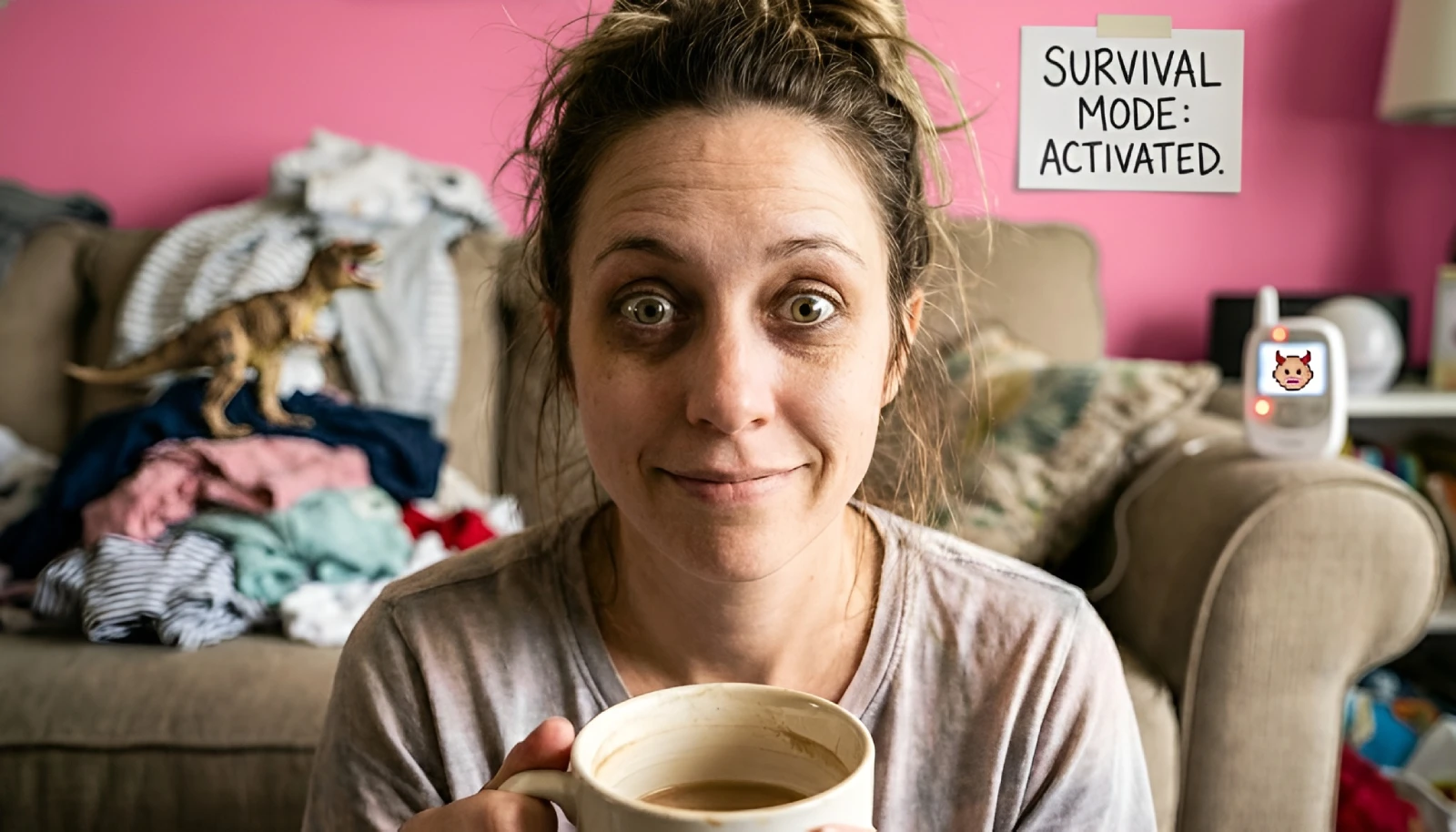
If you’re reading this bleary-eyed at 3 AM with a little one still awake, you’re not alone. Nearly half of all mothers with 6 to 12 month-old babies report their baby’s sleep as a serious problem. Those endless nights aren’t just exhausting – research links chronic sleep deprivation to higher stress and even maternal depression. The good news is that most babies can learn to fall asleep on their own and sleep longer stretches with a consistent approach. Sleep training isn’t a magic cure for everyone, but it’s a proven tool to help break the cycle of bedtime battles and frequent night wakings.
Many parents ask why sleep training matters, especially when every baby is different. In this post, we’ll explain what sleep training really is, why sleep training helps many families, and how to decide if it might be right for you.
Why Good Sleep Matters for Baby (and You)
We all know what it feels like to function on broken sleep – the brain fog, the short temper, the feeling that even making coffee is a big task. When that’s your life night after night, it starts to wear you down. You’re not just tired; you’re running on fumes.
Babies need good sleep to grow, learn, and regulate their emotions. But the truth is, parents need sleep too – not just to survive the day, but to feel present, patient, and themselves again. When sleep is missing for weeks or months, the toll is real. Studies show that chronic sleep deprivation in infancy doesn’t just make things harder, it can increase the risk of depression in mothers. That’s not because you’re doing something wrong; it’s a natural response to exhaustion.
Helping your baby sleep better isn’t selfish – it’s care for the whole family. Better sleep means calmer days, more energy, and more space to enjoy this stage (not just survive it).
Sleep training is one effective tool to break the cycle of constant night wakings and bedtime struggles. When done properly, it teaches babies self-soothing skills so they can fall asleep independently. This means that when babies naturally wake up between sleep cycles (which all of us do), they can learn to settle back to sleep on their own instead of always needing a parent’s help. Numerous studies have shown that gentle behavioral sleep training can lead to faster bedtimes, fewer night wakings, and improved parental mood and stress levels. In other words, better sleep for the baby often translates into better sleep and happier days for you, too.
What is Sleep Training?
“Sleep training” refers to approaches that treat falling asleep as a learnable skill and aim to help babies develop it gradually and confidently. Importantly, sleep training does not mean neglecting your child or harming it. Instead, it typically means teaching your baby to fall asleep without certain “crutches” (like being rocked or nursed to sleep every time). When done with warmth and consistency, sleep training can be entirely compatible with loving, responsive parenting – and it can be a lifesaver for exhausted families.
In practice, this usually involves:
- Consistent bedtime routines. (Bath, book, cuddle, then crib.)
- Putting baby down awake. The goal is for your baby to learn to fall asleep independently in their crib, not in your arms or while nursing.
- Gentle reassurance. Depending on the method, you may briefly soothe your baby during sleep training (for example, with soft pats or a calm presence), but you won’t hold or nurse them to sleep as you did before.
The key is that you remain responsive and present, but you encourage baby to settle without as much help. Remember: sleep training isn’t “leaving baby alone to cry forever.” It’s a structured approach that helps your baby build the important self-soothing skill while ensuring they are safe and comfortable.
Common Sleep Training Methods
There are several approaches to sleep training, ranging from very gentle (with minimal crying) to more structured methods that involve some crying. No single method is best for every family – the right choice depends on you, your baby’s temperament, and what feels doable. Below are some of the most common methods parents try:
- No-Cry (Gentle) Methods: These include the Fading, Chair, or Pick-Up/Put-Down methods. You stay in the room (perhaps sitting in a chair by the crib) and gradually reduce how much you help your baby fall asleep. For example, you might rock a little less each night, or pick up and soothe a crying baby before putting them down again once calm. These approaches minimize crying, which many parents find comforting. However, they can take longer (often weeks) to show results and require a lot of consistency in the early, tired days. Some families find it hard to stay perfectly consistent at 2 AM, so progress can be slower or stall out. This approach often also leads to semi-sleep trained babies who may still need more support to fall asleep.
- Cry-It-Out (Extinction): This is the most extreme form of sleep training, in which parents place the baby down awake and do not return until a set time or the next scheduled feeding – regardless of the baby’s crying. While some report quick results, this method involves prolonged periods of uncomforted crying, which many families find emotionally difficult. Most pediatric experts caution it should only be considered for older babies (6 months and up), and only if parents are fully comfortable with this approach. At SleepWell, we do not recommend or endorse this method, as it lacks the responsiveness and reassurance we believe babies deserve.
- Ferber Method (Graduated Extinction): Popularized by Dr. Richard Ferber, this is essentially a middle ground between the above two. You still put baby down awake, but when baby cries, you check in at gradually increasing intervals. Each check-in is brief and calm (a pat, a “I’m here, it’s okay” without picking up baby), then you leave again. Over a few nights, the intervals get longer. The idea is to allow some crying (so baby learns to self-soothe) while also giving regular reassurance. This modified approach works faster than gentler methods but usually feels more tolerable than full extinction.
- Other Variations: Some parents try a “check and console” method (checking on baby before crying starts), or sleep fading (delaying bedtime so baby falls asleep easily, then moving bedtime earlier gradually). The common thread of all methods is teaching baby to fall asleep on their own – without the constant presence or help from parents.
Sleep Foundation notes: All sleep training methods can work if done right, and no one method is “perfect” for every family[10]. The best approach is the one you and your baby can stick with consistently.
Why a Gentle Ferber Method?
In our SleepWell Sleep Training Guide, we recommend a gentle, modified Ferber approach because it often offers the best balance of results and reassurance. In other words, you get faster progress than “no-cry” methods, but you still get to comfort your baby regularly. The Ferber method is not about abandoning your baby – it’s a structured plan of short check-ins and reassurance.
Research and pediatric experts support this approach. Studies of graduated extinction (Ferber-style) have not found any long-term harm to babies. Multiple studies show no evidence of negative effects on a child’s stress levels, behavior, or parent–child attachment (check it our for yourself i.e. here). One American Academy of Pediatrics (AAP) study divided infants into a sleep-trained group and a control group. Babies in the sleep-training group actually had lower stress hormone (cortisol) levels by the end of the program – meaning they were calmer – and there was no difference in attachment or behavior between the groups in (see here). A five-year follow-up study concluded: “Behavioral sleep techniques have no marked long-lasting effects (positive or negative). Parents and health professionals can confidently use these techniques to reduce the short- to medium-term burden of infant sleep problems and maternal depression” [source].
Put simply, teaching your baby to sleep better with a consistent plan is not cruel or neglectful. It’s giving both your child and you the rest you desperately need. With the gentle Ferber approach, crying will happen, but only in short bursts and over just a few nights. Most babies quickly learn that nighttimes involve trying to fall asleep on their own and usually stop crying because they learn the skill – not because they are “traumatized”.
The Benefits of Sleep Training
So, why consider sleep training beyond just getting more sleep? Here are some key benefits for babies and parents, backed by science:
- Improved sleep habits for baby. Babies who learn to self-soothe often fall asleep more quickly and wake less at night. A study from Australia found that after sleep training, babies fell asleep about 15 minutes faster on average (here). Over time, this can lead to more consolidated sleep for your baby, supporting healthy growth, mood, and brain development.
- Reduced stress for baby. Although letting babies cry can sound scary, research suggests that sleep training actually tends to reduce babies’ stress in the long run. In the Australian study above, babies had lower cortisol levels (a stress hormone) during sleep training and no increase in stress afterwards. Other studies confirm that babies eventually learn the skill and become less anxious about bedtime, not more.
- Better mood and development. Babies who sleep better are generally happier and better able to regulate their emotions. Chronic sleep deprivation in infancy has been linked to behavioral issues later on. By contrast, healthy sleep supports learning, attention, and a positive temperament.
- More rest for parents. This might be the most obvious benefit – and one of the most important. When your baby begins sleeping longer stretches, you can sleep more, too. Better parental sleep means better focus, mood, and patience during the day. It’s a huge boost to family well-being.
- Increased family confidence and routine. A consistent sleep-training plan often brings back a sense of order after weeks of erratic sleep. Parents often feel more confident about bedtime routines, and even partners can share night duties more easily. With a clear plan (like the one in the SleepWell guide), bedtime and morning wake-ups become predictable, which can reduce anxiety for everyone.
Importantly, many of these benefits have been observed even in babies as young as 4 to 6 months. Pediatricians typically agree that healthy infants from about 4 to 6 months onward are ready to start learning independent sleep skills. By this age, babies usually have more mature sleep cycles and may not need nighttime feeds for nutrition (but rather for comfort). If your pediatrician agrees that your baby is developmentally ready and doesn’t have other medical issues, sleep training can be a safe way to help everyone rest more.
Addressing Common Concerns
It’s natural to worry about letting your baby cry and if it could harm them. Let’s tackle the biggest concerns head-on:
- “Will letting my baby cry hurt their attachment or mental health?” Multiple high-quality studies find no long-term negative effects from sleep training. For instance, Dr. Angela Holliday-Bell summarizes the previously mentioned AAP study, which found that sleep-trained babies had lower stress and no difference in parent-child attachment compared to those who were not trained (here). The five-year-review study quoted above found that infants in sleep interventions were “more secure, predictable, less irritable, and cried less” after training. In fact, experts have found no evidence of trauma, anxiety, or other harm from sleep training methods that don’t pursue full extinction methods. The key to sleep training is doing it with love, regular check-ins, and age-appropriate technique.
- “Is crying inherently traumatic for a baby?” No. Crying is one of the few ways babies communicate and adapt. Babies cry when learning any new skill: rolling over, grasping a toy, or adjusting to a new routine. When you start laying your baby down awake instead of rocking/nursing them to sleep, it’s normal for them to cry at first – they’re simply protesting a change in routine, not experiencing actual harm. Remember, crying itself is not harmful when needs are met; it’s often temporary discomfort while learning. And studies indicate that babies typically stop crying once they’ve learned to self-soothe – meaning the problem is solved, not prolonged.
- “What if my baby has health issues or still needs night feedings?” Sleep training is not for newborns or medically fragile infants. If your baby still needs nightly nutrition (usually younger than ~4 months or below a certain weight), sleep training can wait. Always rule out medical issues first: reflux, sleep apnea, or chronic illness can affect sleep. If there’s an underlying condition, work with your pediatrician first. Once baby is healthy and of suitable age (often 4 to 7 months), sleep training can be considered.
- “What about separation anxiety or other developmental stages?” It’s wise to avoid strict training during big changes, such as growth spurts, teething, illness, or regressions. Wait until things are relatively calm. If your baby is very clingy or anxious, that doesn’t mean sleep training is off-limits, but you might choose a gentler approach and go more slowly. Every baby is unique: some families find that a gentle pick-up/put-down method or shorter Ferber check-in intervals work well in these cases. You know your baby best – use your intuition and talk to your doctor if in doubt.
- “It feels too cruel to let them cry!” That’s one of the most common worries – because no parent wants to feel like they’re ignoring their baby’s needs. But once you begin to recognize the difference between a cry of discomfort (as your baby learns something new) and a cry of true distress, things often shift. Many parents describe a moment when it clicks – that their baby isn’t being harmed, but simply expressing frustration while developing an essential skill. If you’re not ready for any crying, that’s okay too. Gentler, no-tears methods are an option, though they tend to take longer and require more hands-on consistency. What matters most is choosing an approach you feel comfortable sticking with—babies learn best when the message is clear and repeated with love.
Choosing What’s Right for Your Family
Sleep training is a personal decision – one that you should make based on your values, your baby’s needs, and your own comfort level. There is no one-size-fits-all answer. Here are some tips to help you decide:
- Check readiness: Typically, babies start sleep training around 4 to 6 months old (some experts say as early as 4 months. By 6 months, many babies can go longer between feeds and are better at self-soothing. Look for signs that your baby might be ready: they can roll over and move on their own, they have relatively good weight gain (so night feeds are usually for comfort), and they have some predictable nap/bathtime routine in place. Each baby is different; trust your instincts and consult your pediatrician if you’re unsure.
- Talk to your pediatrician: Before starting, have a chat with your baby’s doctor. They can ensure there’s no medical issue affecting sleep and help confirm whether your baby is developmentally ready for sleep training. A pediatrician can also answer any questions or concerns and even give personalized tips. Remember, the goal is healthy sleep – and your doctor can be a valuable partner in that process.
- Start a solid bedtime routine: A calming, consistent routine each night (e.g., bath, story, cuddles) lays the groundwork. Put baby down awake but drowsy at the start of the routine so they learn to fall asleep in the crib. Keeping the same routine every night signals to your baby that it’s time to sleep.
- Be prepared for consistency: Whichever method you pick, try to stay consistent for at least several nights in a row. Inconsistent sleep training can confuse baby and stall progress. It helps if all caregivers are on the same page (partners, grandparents, sitters). Pick a time when you don’t have travel or big life changes coming up.
- Monitor and adjust: If after a week things aren’t improving, it’s okay to pause and reassess. Maybe shorten the intervals, or switch to a gentler method for a while. The SleepWell Guide, for example, provides step-by-step guidance so you can adjust the pace according to your baby’s cues.
- Remember: Sleep training is a tool, not a rule. You are fully within your rights to choose whether and when to sleep train. If you’re comfortable co-sleeping or babywearing, and everyone in the family is happy and well-rested, then you might decide sleep training isn’t right for you (and that’s okay!). Our goal here is simply to explain why sleep training can help and address the worries that often prevent parents from trying it, in case it’s the right solution for you.
Talking to Your Pediatrician
If you’re still unsure or nervous, definitely bring it up at your next well-baby visit. A good pediatrician will understand how critical sleep is. They can help rule out conditions such as reflux, allergies, or sleep apnea. They can also advise on feeding frequency (for example, ensuring that if baby is still waking to eat, that’s taken into account). Many doctors can offer guidance on various sleep-training methods or refer you to a pediatric sleep specialist or lactation consultant for personalized help. Open communication with your doctor ensures that sleep training (or choosing not to) fits your baby’s health needs.
Gentle Reminder: You Know Your Baby Best
There are plenty of families who find sleep training life-changing, and plenty who choose not to do it. Both paths are okay. If at any point sleep training feels completely wrong for your family, it’s fine to pause or stop. You could try waiting a few more weeks, or use partial methods (like picking up to soothe but not nursing). The important thing is that you feel supported and confident in your parenting choices. Sleep training is not mandatory; it’s simply one of many tools available to help your baby (and you) get better sleep.
On the other hand, if you decide you do need help and want a guided plan, rest assured that the methods used in our guide are backed by science. Dr. Ferber’s graduated approach was developed by a pediatric sleep expert and has been studied extensively[9][11]. Decades of pediatric experience show that the Ferber method is efficient for many families[27]. It’s understandable if this feels scary at first – hearing your baby cry is hard. But keep in mind: gentle Ferber still means you do go back to comfort your baby often; you just wait a little longer each time. Within just a few nights, most babies “get it” and crying dramatically decreases[15][16].
Next Steps & The SleepWell Guide
If you’re leaning toward trying sleep training, congratulations on taking a big step for your family’s well-being! We’ve put together a comprehensive SleepWell Sleep Training Guide that walks you through the gentle Ferber method in detail. It includes practical tips, a clear schedule, and encouragement along the way. The guide also compares different gentle techniques, so you can adapt if needed. All advice in the SleepWell Guide is grounded in solid research and pediatric expertise, as we’ve discussed here.
Remember, getting your baby to sleep independently is a skill you’re teaching – it doesn’t mean you love or comfort them any less. In fact, well-rested parents tend to be more patient and responsive, which is a huge benefit to your baby’s emotional development.
Before you dive in, give your baby’s doctor a heads-up, make sure you have a consistent bedtime routine going, and commit to a week of consistency once you start. Take shifts with your partner if you need breaks. And give yourself grace. Even if the first few nights are tough, many families are amazed at how quickly things can turn around.
Final thought: You and your baby deserve restful nights and happy days. A gentle sleep training plan is one effective way to get there – and it’s backed by science. We hope this post has answered your question, “Why should I sleep train my baby?” with evidence and empathy. Ultimately, you know your baby best, and whatever path you choose, trust that you’re doing what’s right for your family.
If you decide to move forward, we invite you to check out the SleepWell Sleep Training Guide for a step-by-step, loving roadmap to better sleep. Sweet dreams are ahead!
References
Sleep Training: What It Is, When to Start, and How to Do It
Getting your baby to sleep through the night: The good (and maybe not-so-good) news – Harvard Health
Behavioral Interventions for Infant Sleep Problems: A Randomized Controlled Trial
UChicago Medicine | A parent’s guide to sleep training infants and toddlers
this is cool